Notes from any park pond.
Geese can technically eat bread, in the sense that they will swallow it. But bread is the worst common food fed to waterfowl. It causes angel-wing deformity in goslings, lacks any meaningful nutrition, fills the bird up so it stops foraging for real food, and rots in the water it falls into, fuelling algal blooms. The good alternatives are cheaper and easier than bread.
Why bread is genuinely bad
Four specific reasons, all backed by avian-veterinary literature:
- Angel wing. A high-carbohydrate, low-protein diet during gosling development causes the wing’s growing carpal joint to twist outward. The bird never flies. It’s permanent and effectively a death sentence for a wild bird.
- Filling without nourishment. Bread is mostly refined starch. A goose that fills up on bread eats less of the grass, seeds, and aquatic plants that supply protein, fats, and minerals.
- Dependence and habituation. Bread-fed park geese stop foraging properly, lose their fear of humans, and become aggressive at food sources.
- Water pollution. Bread that falls in the water doesn’t get eaten. It rots, raises nutrient levels, and triggers algal blooms that suffocate fish.
This isn’t speculation - the British Trust for Ornithology, the Royal Society for the Protection of Birds, and every major waterfowl authority in North America has been advising against bread feeding for over twenty years.
What to feed instead
Almost anything natural works better than bread:
- Cracked corn - the staple. Cheap, calorie-dense, ducks and geese love it.
- Lettuce or kale - torn into pieces and floated. Closest to natural diet.
- Frozen peas - thawed, high protein.
- Oats - dry rolled oats, no sugar, no salt.
- Birdseed - any decent supermarket mix.
A handful of cracked corn scattered on the water surface does more good for a flock than a whole loaf of bread, and costs less per visit.
Cracked Corn 50 lb Bag
The bread replacement.
Plain cracked yellow corn, the staple food the experts recommend for wild waterfowl. A 50 lb bag costs about the same as ten loaves of supermarket bread and goes vastly further. Geese, ducks, wild turkeys, and deer all benefit.
- 50 lb bag, single ingredient: corn
- Cracked into goose-bill-sized pieces
- Lasts a season at typical park-visit volumes
 CountryMax · 50 lb

As an Amazon Associate we earn from qualifying purchases.
A park sign says “Do not feed waterfowl.” What is the best response?
Source: Audubon: do not feed waterfowl ↗
What about whole grain bread? Or sourdough?
Slightly better than white bread but still bad. The processed flour is still empty calories; any added salt or sugar is still toxic to ducks. There is no version of bread that’s a good waterfowl food.
The exceptions some sources mention - bread soaked in water, or moistened crusts - aren’t exceptions worth pursuing. The reason they’re better is that they’re slightly easier for the bird to swallow without choking, not that they’re nutritionally adequate.
The bottom line
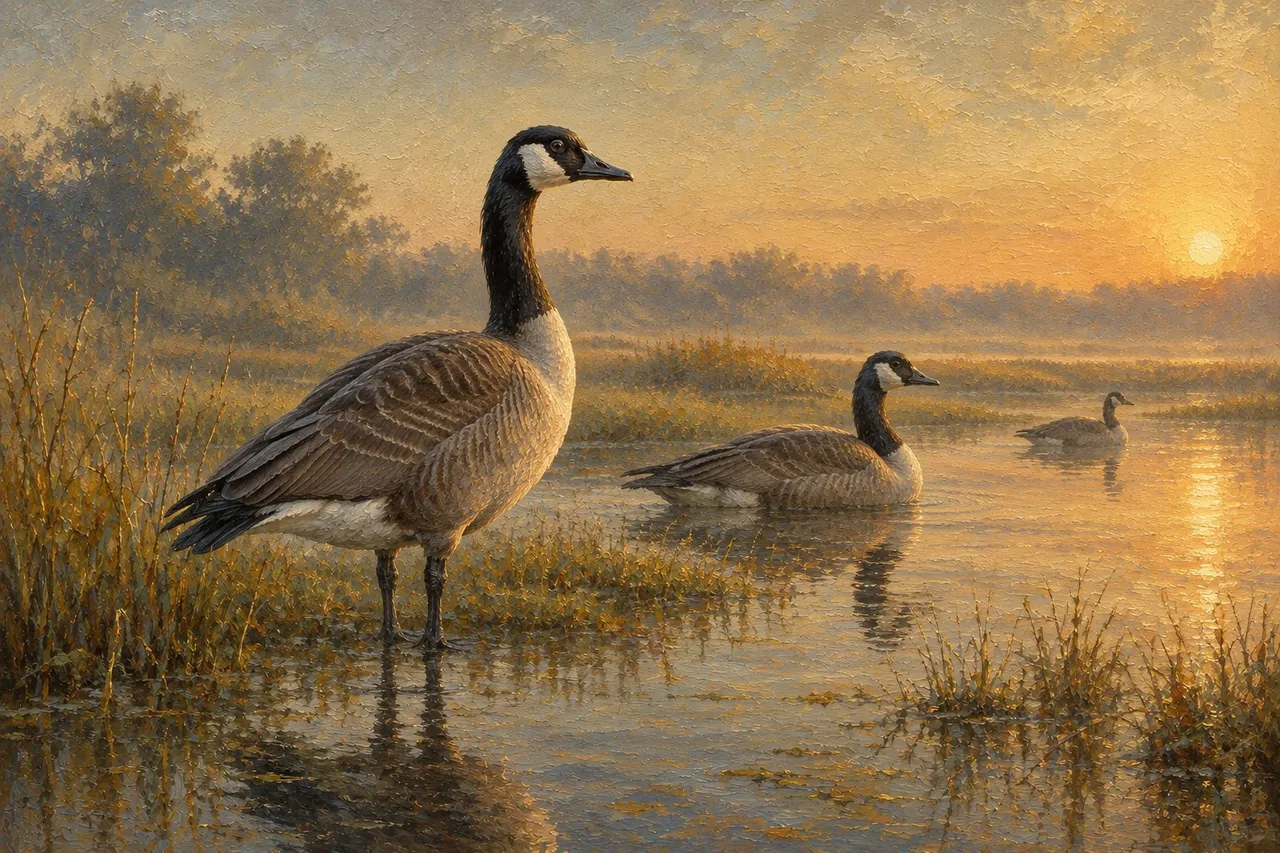
If you want to feed geese, switch from bread to cracked corn. The birds prefer it, it’s cheaper per visit, and it actually keeps them alive long enough to breed. Bread feeding is the single most common avoidable harm to backyard waterfowl populations in the developed world.
For more on what to feed properly, see our duck feeding guide and pond-side reference.