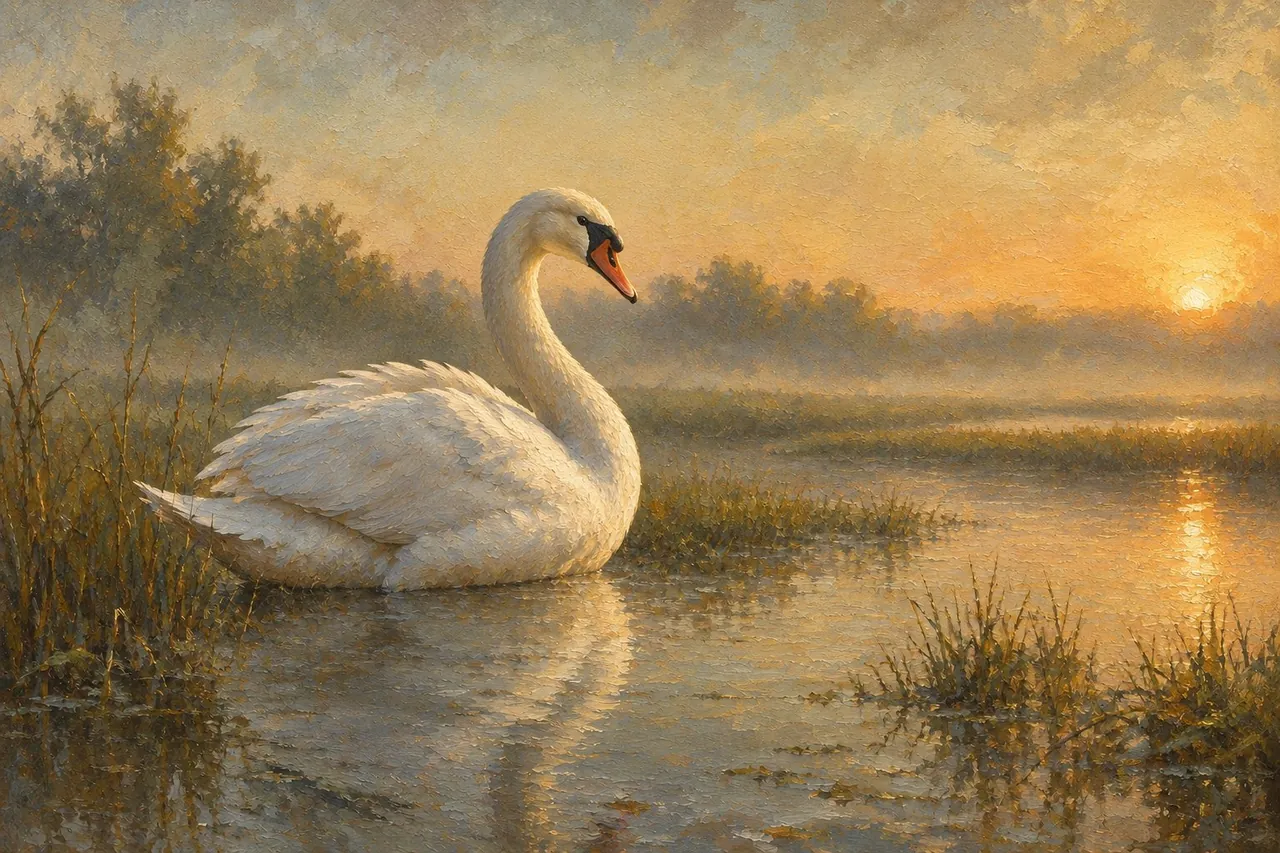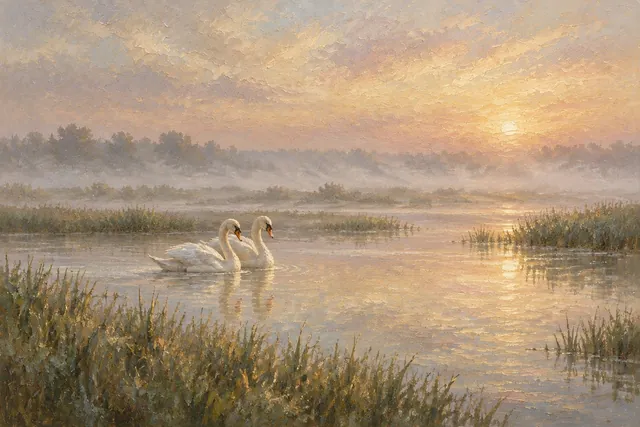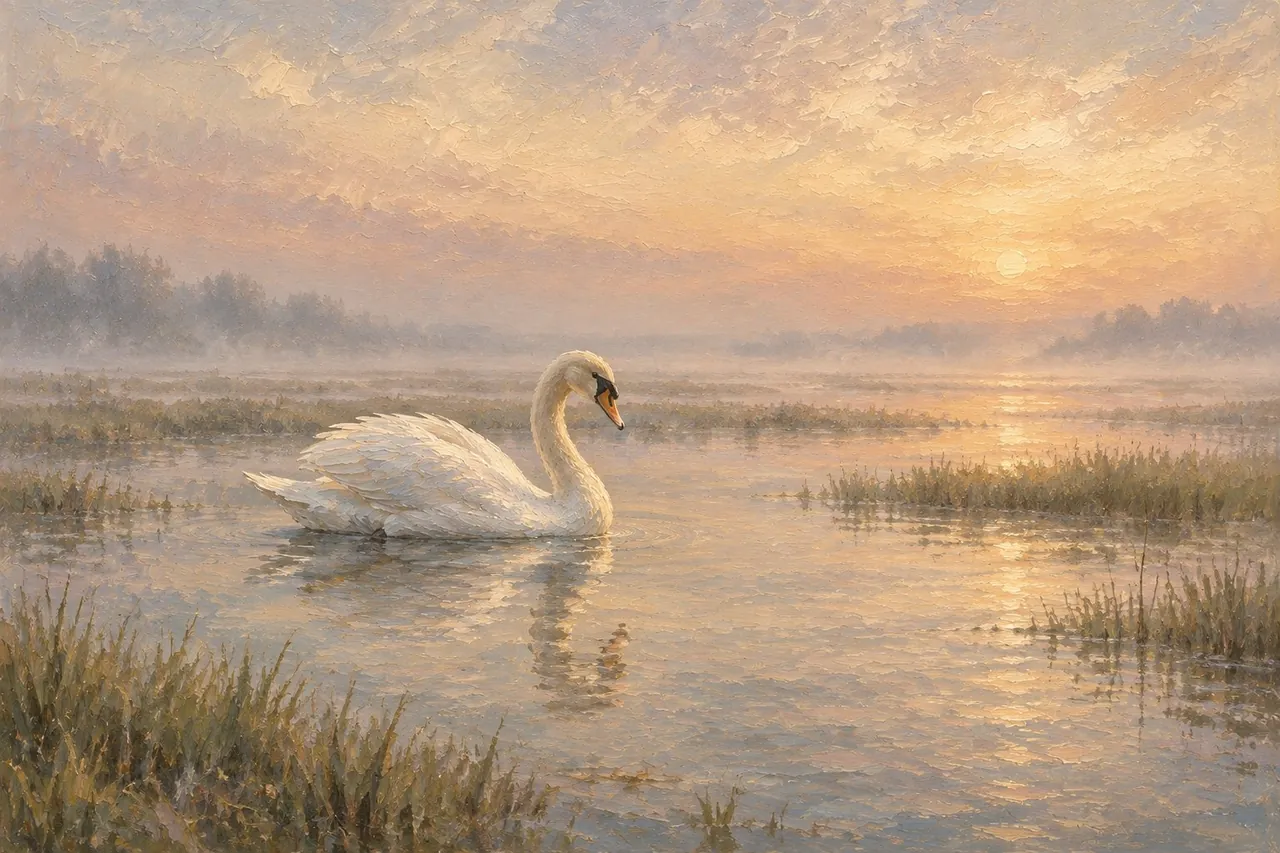
Swans are often regarded as symbols of love and devotion. Many people believe that monogamous species could pass away from a broken heart if their mate dies. But can these birds actually die from a broken heart or great sadness?
While there is no scientific evidence to support the idea that swans can die from emotional distress, there are documented cases of swans exhibiting symptoms of depression and declining health after losing a mate or unborn cygnets.
In such cases, it is believed that the stress and grief of losing a partner can weaken the bird’s immune system, making it more susceptible to illness and death.
Key Takeaway of Swans Dying From a Broken Heart
- Swans are members of monogamous species and have only one partner for their entire life.
- There have been cases where swans exhibit signs of depression and declining health after losing their mate or unborn cygnets.
- The death of a swan's partner can result in changes in behavior, physiology and cognition.
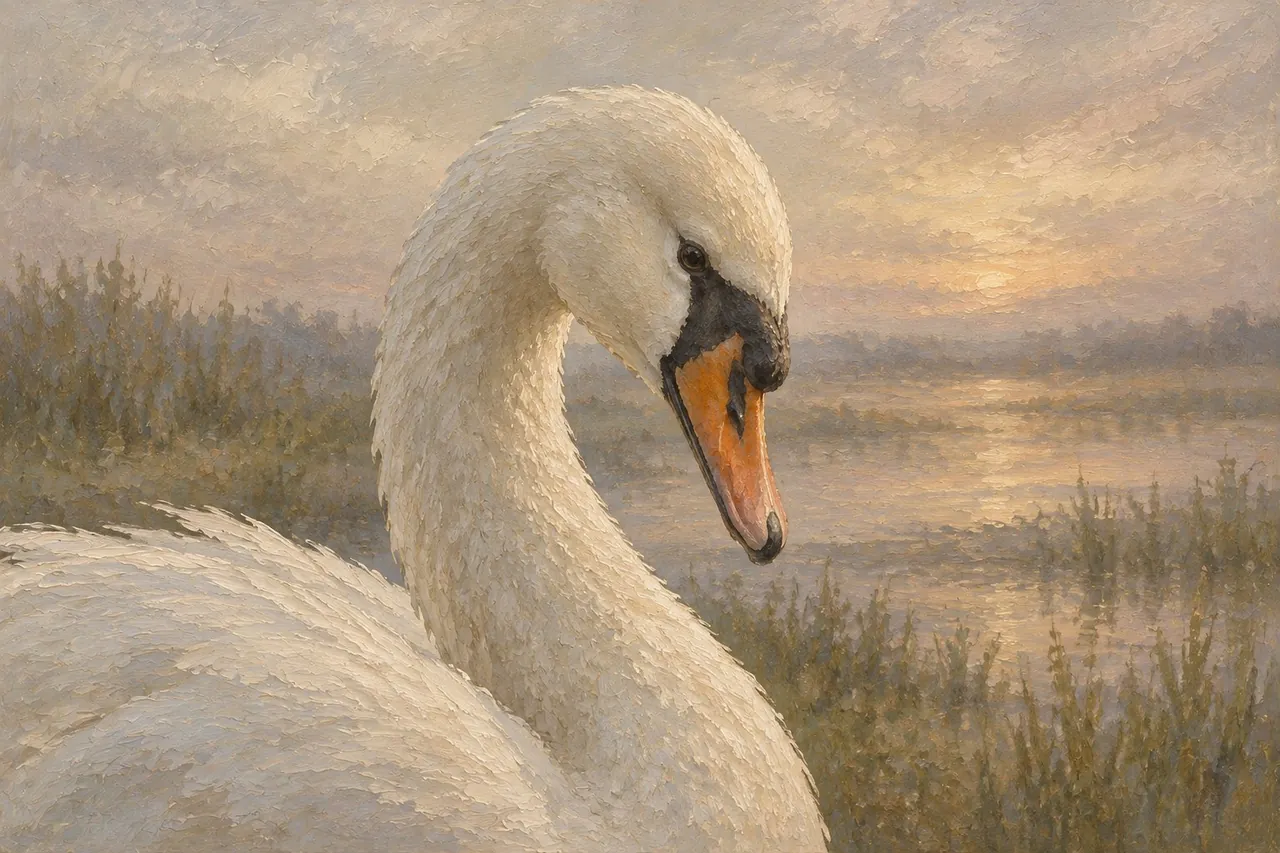
Can swans die of heartbreak?
Most swans are monogamous birds that form life-long bonds with their mates. These birds are also very protective of their nests, eggs and cygnets. So if a swam loses its eggs, mate or cygnets, it may be emotionally distressed. In some cases, the bird may engage in behaviors or actions that can be considered suicidal.
A mother swan in the south west London was found slumped in her nest dead after teenagers broke her eggs with bricks. Wildlife activists inspected the area and assumed she died of a broken heart. Witnesses said that the teenage boys were throwing rocks at the island where the swan’s nest was located.
The male swan or father swan was nowhere to be found and was assumed to have abandoned the female swan due to stress. The poor swan was found dead earlier that week and was said to have laid six eggs but had only one egg left when she died. This story was a really sad development.
Swans, swans nests and young are protected in the UK under the Wildlife and Countryside Act of 1981.
The aforementioned tragic story is only one of many stories about swans supposedly dying from broken hearts. Swans have been observed to fall into depression after losing a mate or cygnets. A mourning swan might refuse to eat or withdraw from its flock.
However, it is essential to note that the death of a swan is not always caused by a broken heart. In many cases, the end of a mate may be a result of natural causes such as old age, disease, or predation.
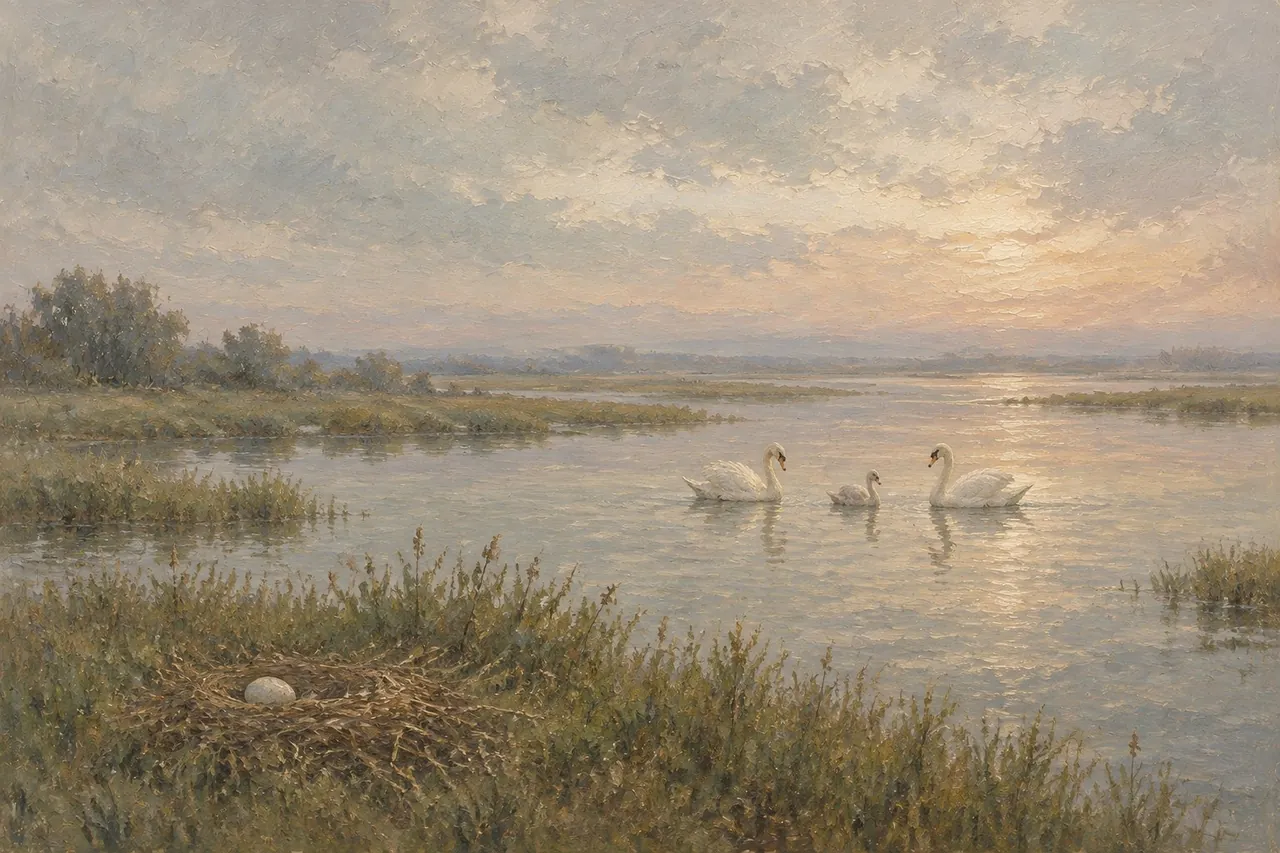
Do swans die when their lover dies?
Swans don’t necessarily die if the other partner dies.
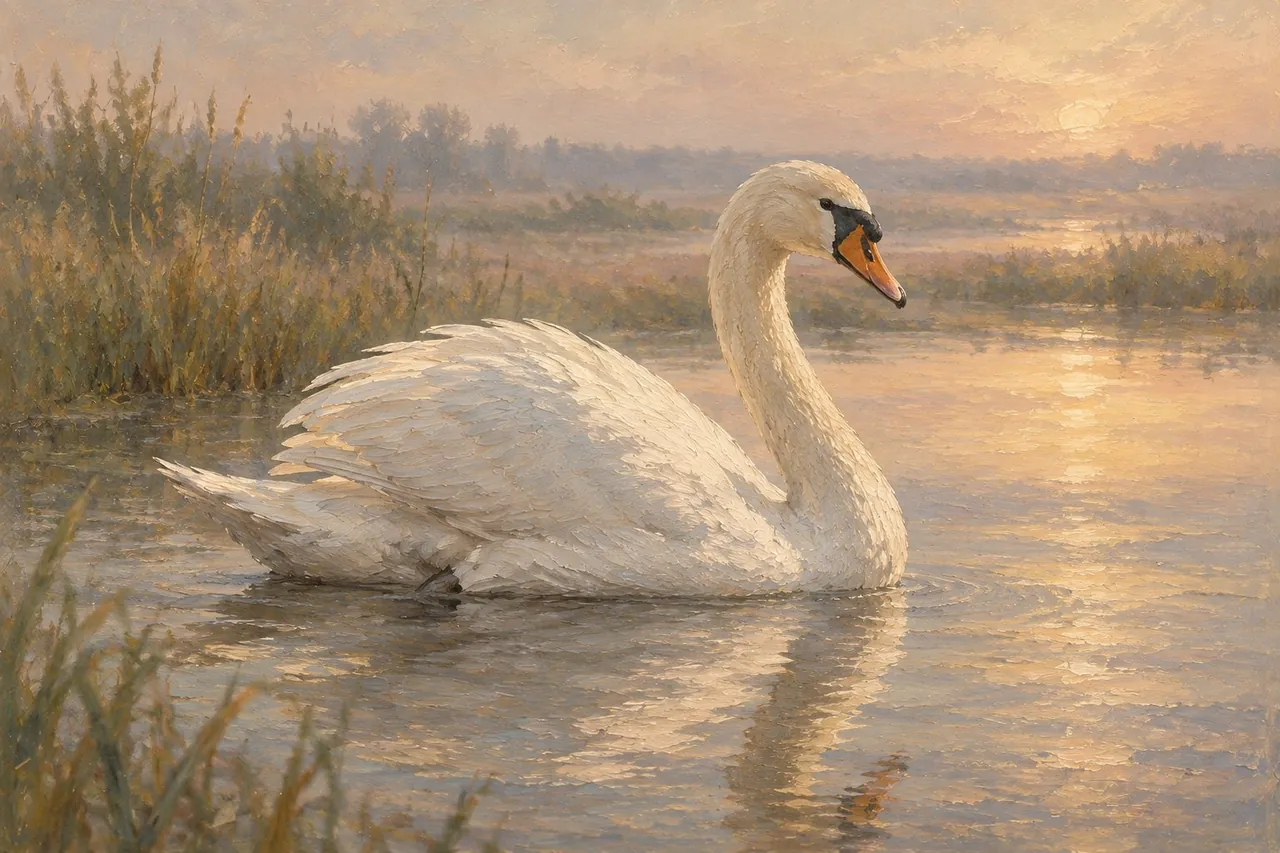
Do swans get depressed when their partner dies?
Swans, like many birds, form strong pair bonds with their partners, and it is widely believed that they can experience distress and depression when a swan dies.
However, the concept of animal depression is not fully understood, but it is believed to involve changes in behavior, physiology, and cognition. In the wild, the average lifespan of a swan is between 12 to 15 years.
One common behavioral change observed in swans that have lost their partners is reduced social activity. They may spend less time engaging with other birds and may stop performing courtship behaviors.
This behavior change can also be accompanied by changes in their vocalizations, as they may stop singing or call less often.
In terms of physiology, the death of a swan’s partner can also result in changes in their hormone levels. In particular, increased levels of corticosterone, a hormone associated with stress and depression, have been observed in swans that have lost their partners.
From a cognitive perspective, the death of a swan’s partner may also impact their ability to perform certain tasks, such as navigating and foraging. This is because losing a partner can lead to changes in the brain, including changes in the level of neurotransmitters, such as dopamine and serotonin, that are associated with mood and behavior.