Winter woodland notes.
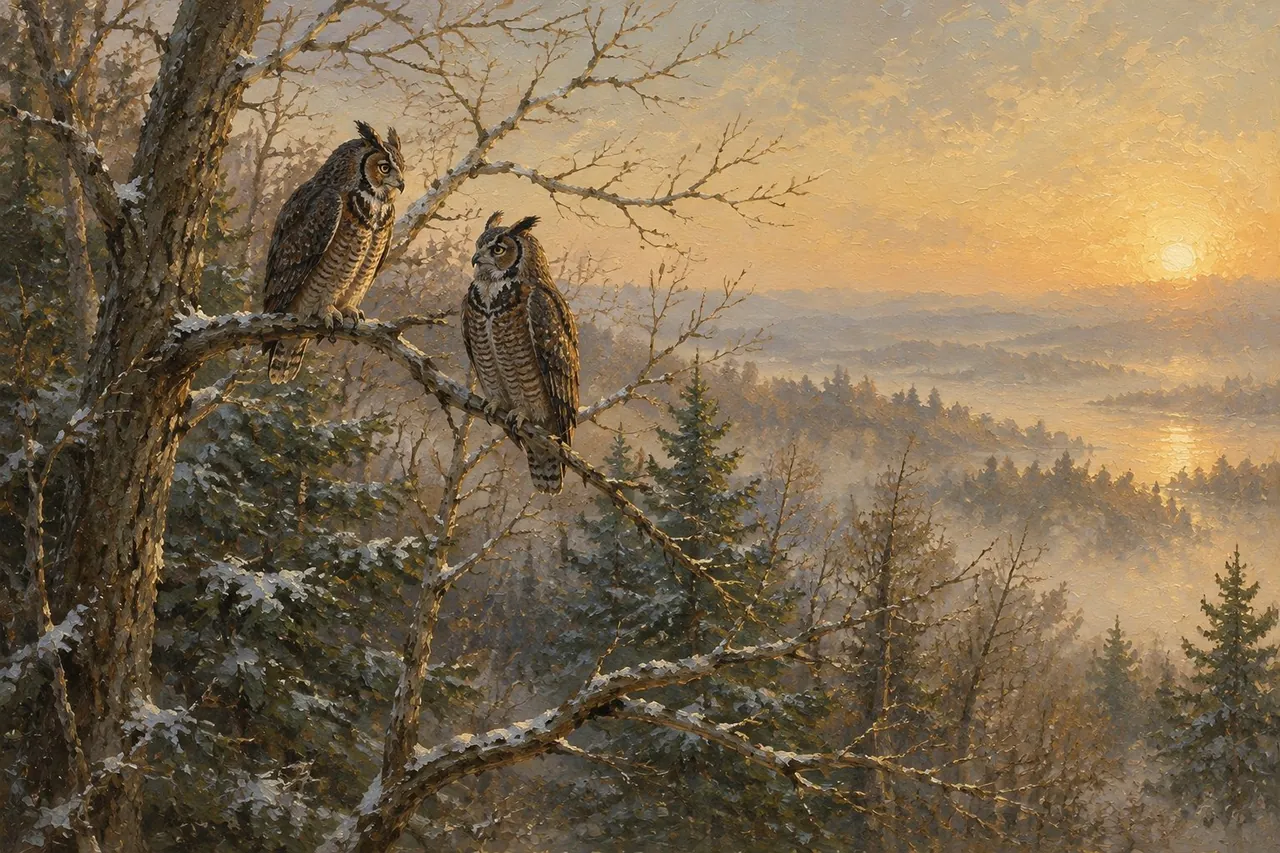
Owls pair earlier than nearly any other bird in temperate North America - Great Horned Owls and Barred Owls begin pair-bonding in December and lay eggs in January or February. Courtship runs on calls (mutual hooting), food gifts (the male feeds the female), and synchronised perching. Most owl species are monogamous and many pair for life. The whole sequence is largely invisible to humans because it happens after dark.
When owl breeding actually starts
A surprise to most casual observers: owls breed when nearly nothing else does.
- Great Horned Owl - calling starts October-November; eggs laid December-February.
- Barred Owl - pair-bond confirmation in December; eggs late February-March.
- Eastern Screech Owl - eggs in March.
- Barn Owl - eggs late March-April (more variable).
- Snowy Owl (Arctic) - eggs May-June.
The mid-winter timing means chicks fledge in late spring when small mammal populations are highest. The biology is engineered for offspring survival, not for parental comfort.
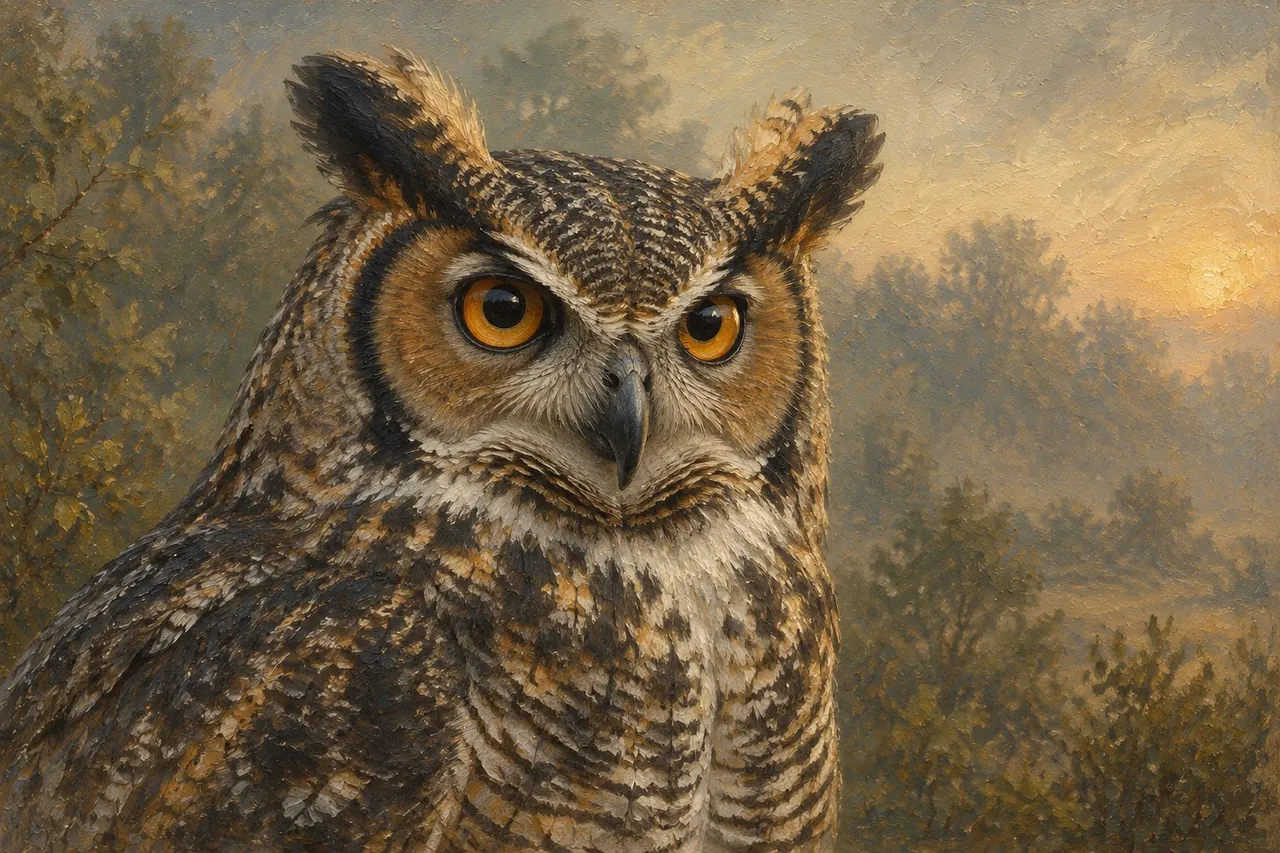
The calls
Owl courtship is overwhelmingly auditory. The male calls; the female calls back; they duet across distances of several hundred metres before approaching.
Calls used in courtship:
- Hoots (Great Horned, Barred) - the long-distance contact between pair members.
- Trills (Screech Owl) - tremulous descending whinnies.
- Screeches (Barn Owl) - rasping screams; surprisingly little hooting.
- Hisses, bill-claps, wing-claps - close-range bonding sounds.
A late-autumn night with multiple Great Horned Owls calling to each other is a classic owl-courtship soundscape.
The food gift
In nearly all owl species, the male brings food to the female as part of courtship and continues throughout incubation:
- Pre-laying: male delivers prey (mice, voles, small birds) directly to the female. This continues for weeks before egg-laying.
- Incubation: female stays on nest; male delivers all food.
- Hatching to fledging: male delivers all food for first 2-3 weeks; female stays at nest brooding chicks.
The provisioning rate (how many prey items the male brings per night) is a strong predictor of brood success. Owls in good prey-density years rear larger broods.
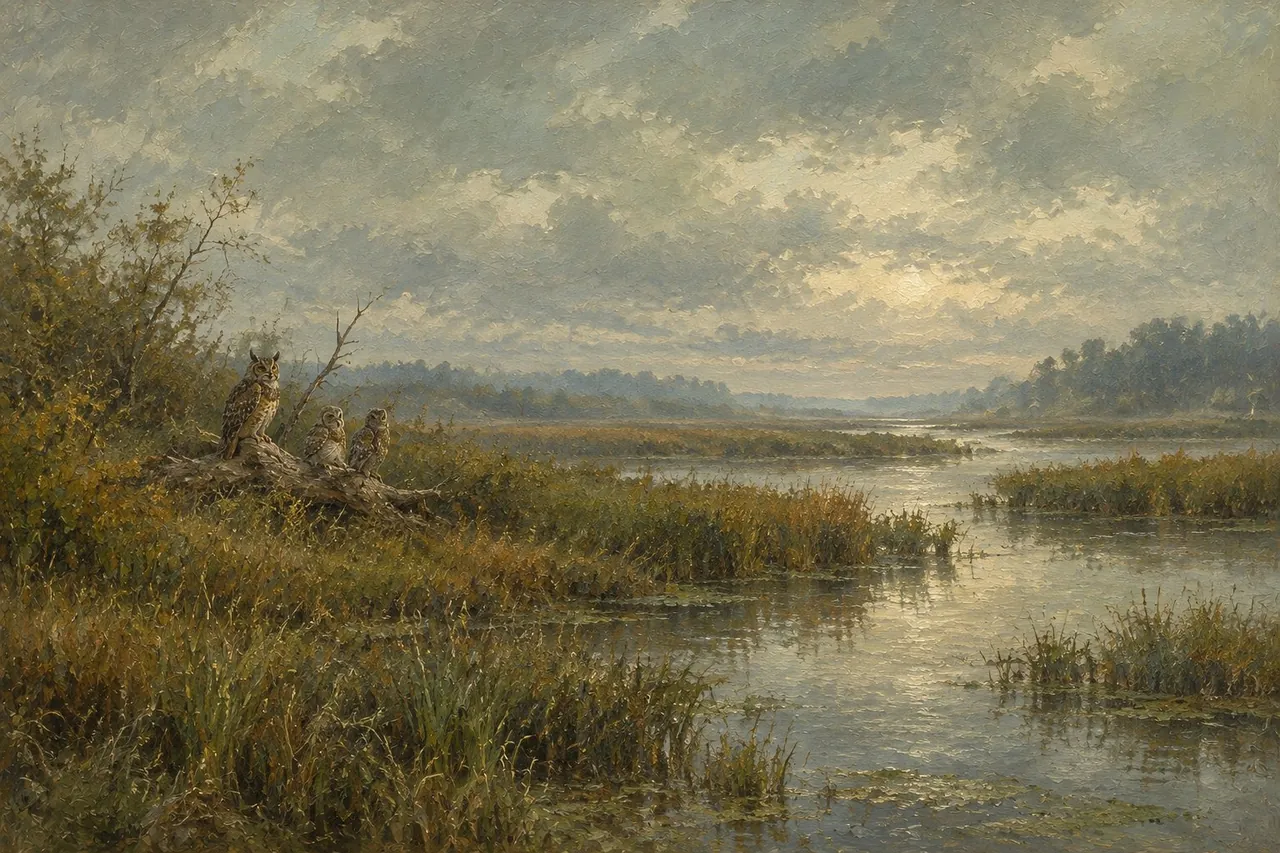
What does one display tell you?
You see an owl flying near another at dusk. Choose the safest interpretation.
A display may be part of courtship, but it does not confirm eggs or tell you how every owl species behaves.
Read the source: Cornell Lab: American Barn Owl life history.
Where they nest
Most owls don’t build their own nests. They reuse:
- Old hawk or crow nests (Great Horned Owl, Long-eared Owl).
- Hollow trees (Barred Owl, Screech Owl).
- Nest boxes (Screech Owl, Barn Owl, Northern Saw-whet Owl).
- Burrows (Burrowing Owl, in old prairie dog or ground squirrel holes).
- Cliff ledges (some Eurasian Eagle Owls, some Great Grays).
Properly-sized nest boxes are an effective way to attract Screech and Barn Owls to a property - which is why our squirrel-proofing guide matters.
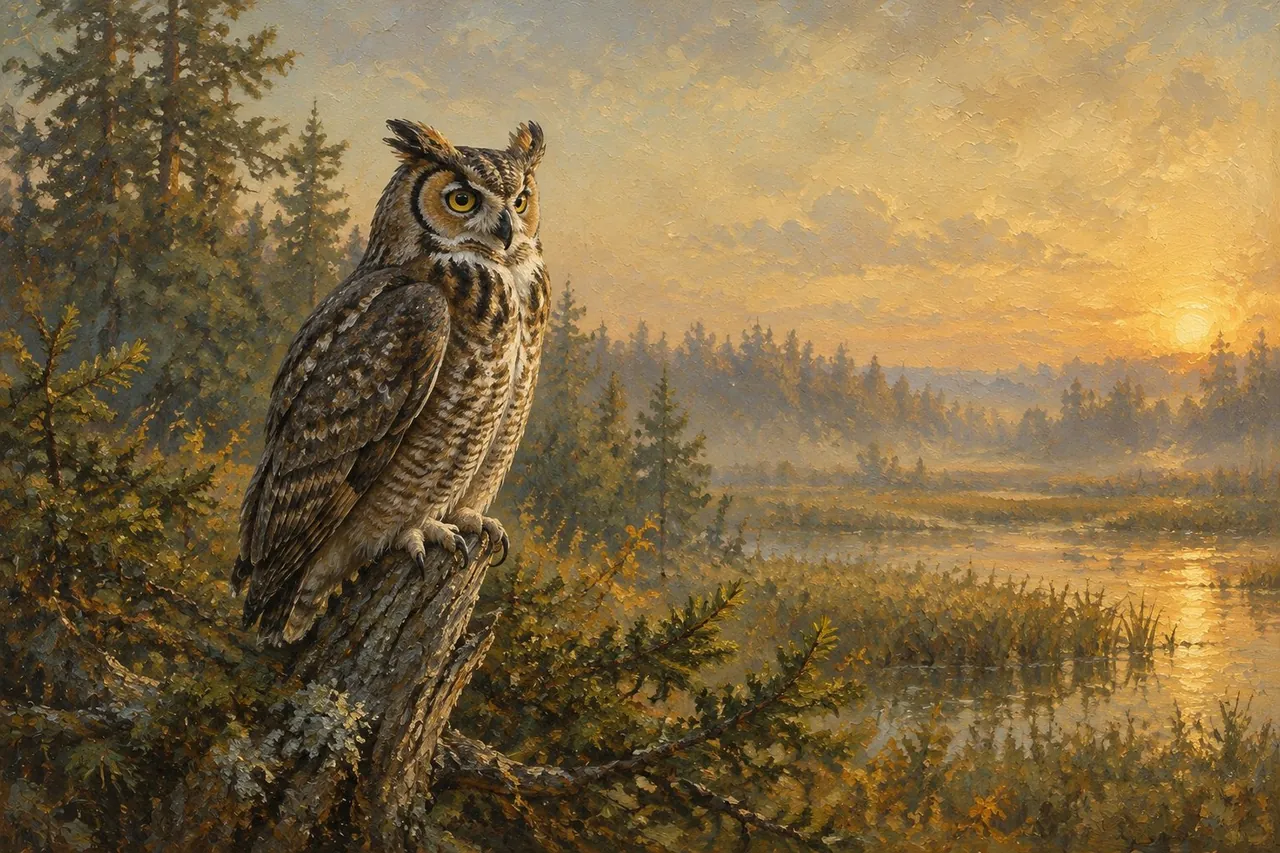
Pair bonding for life
Most owl species are monogamous and many pair for life:
- Great Horned Owl - pair-bonded for life, often holding the same territory year-round.
- Barred Owl - same.
- Barn Owl - often pairs for life but more flexible.
- Snowy Owl - re-pairs each year, less long-term.
When a mate dies, the surviving bird usually re-pairs within a year, but the same individual may retain its territory for a decade or more.
National Audubon Society Birds of North America
The reference that covers every owl.
The 2021 Audubon guide covers all 19 regularly-occurring North American owl species with photographs, range maps, and detailed life-history notes including breeding biology, courtship timing, and prey base. The standard photographic reference.
- All 19 North American owl species
- Photographs of adult, juvenile, and seasonal plumage
- Detailed breeding-biology notes for each species
 Audubon · 2021 Ed.

As an Amazon Associate we earn from qualifying purchases.
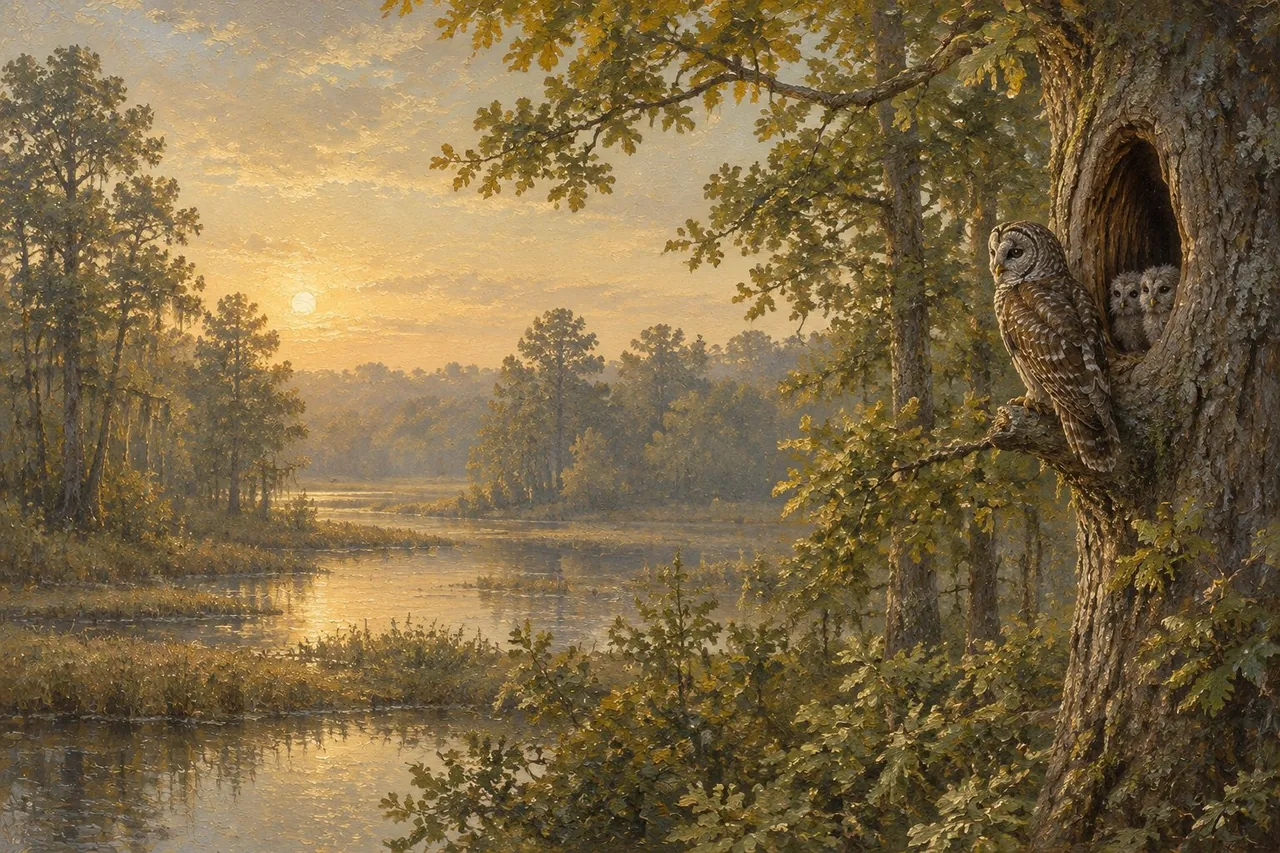
The bottom line
Owls breed when other birds are still in winter mode. Late autumn through early spring is when courtship calls peak. Most are pair-bonded for life, most don’t build their own nests, and the female does the incubation while the male hunts for both.
For more owl content, see owl talon anatomy and protecting nest boxes from squirrels.