 Field notes
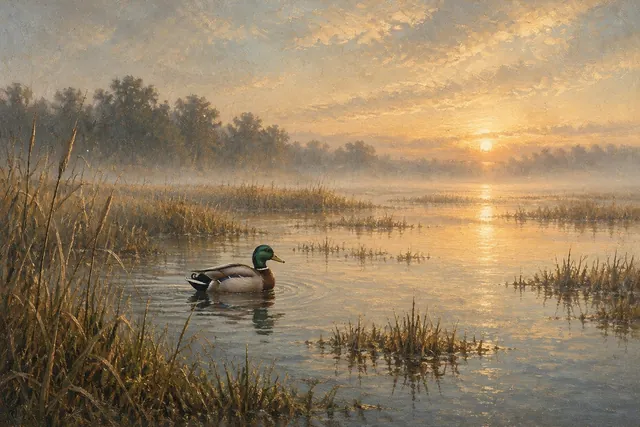
Can Ducks Eat Pickles? No - And Here's Why It Matters
Pickles are loaded with salt and vinegar - both genuinely harmful to ducks. Sodium toxicity is one of the most easily caused waterfowl poisonings, and the acetic acid disrupts gut function. Fresh cucumber is fine; anything pickled is not.
Read the note →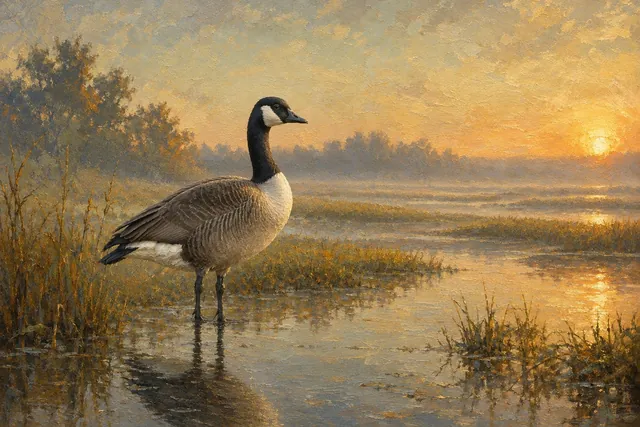 Field notes
Can Geese Eat Nuts? Yes, Raw and Unsalted Only
Can geese eat nuts? Learn how this guide recommends serving them plain, finely chopped and only as an occasional treat, plus which nuts to avoid.
Read the note →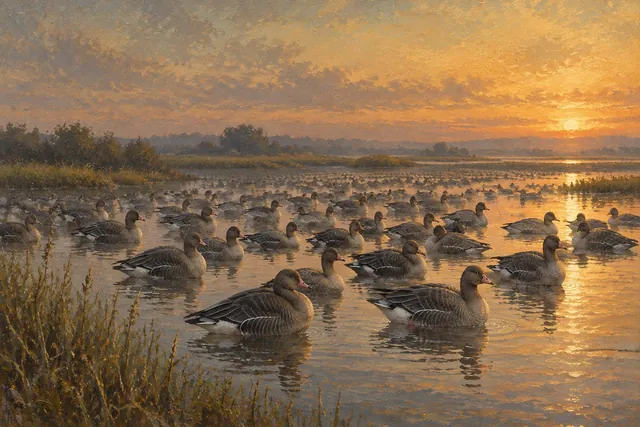 Field notes
Can Geese See in the Dark? Better Than Humans
Geese have better low-light vision than humans but aren't truly nocturnal. They're crepuscular - active at dawn and dusk - and migrate at night using a combination of magnetic, celestial and visual cues. In genuine darkness they roost on water and rely on hearing for threat detection.
Read the note →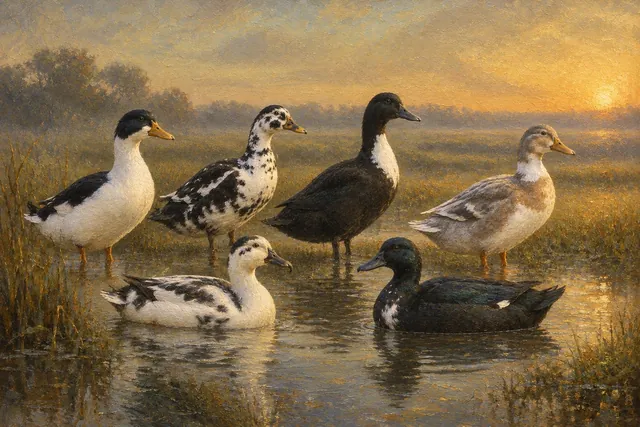 Field notes
Black and White Duck Breeds: The 6 Main Types
Six duck breeds produce reliable black-and-white plumage: Magpie, Ancona, Black Swedish, Silver Appleyard, Hookbill, and (loosely) Cayuga with white markings. They're popular with backyard keepers for layability and personality. Here's how each looks, lays, and behaves.
Read the note →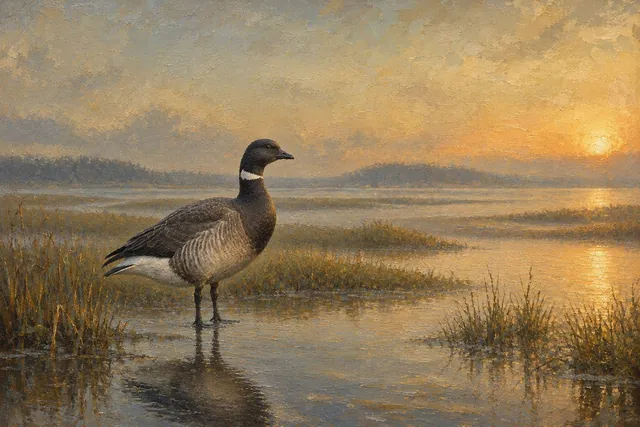 Field notes
Black Goose: Which Species You're Actually Looking At
An 'all-black goose' in North America is almost always a Brant (Branta bernicla) - a small saltwater goose of arctic origin. Less commonly it's a feral Cackling, melanistic Canada, or domestic Chinese variant. Here's how to tell them apart by size, bill, and habitat.
Read the note → Field notes
Do Swans Mate for Life? Mostly, With Divorces Too
Swans form long-term pair bonds and most stay together for many breeding seasons. But about 6-9% of Mute Swan pairs 'divorce' each year, and bereaved birds often re-pair after a year or two. The folklore is mostly right - just less absolute than the romantic version suggests.
Read the note → Field notes
Owls in North Carolina: The 6 Species You'll Actually See
North Carolina hosts six regularly-occurring owl species across the Blue Ridge, Piedmont and coastal plain. Great Horned, Barred, Eastern Screech, and Barn are the four you'll genuinely encounter; Short-eared and Northern Saw-whet appear seasonally. Here's where to find each, and how to identify them by call.
Read the note → Field notes
Do Swans Kill Themselves When Their Mate Dies?
There is no scientific evidence that swans kill themselves after losing a mate. Learn about lasting pair bonds and finding a new partner.
Read the note → Field notes
Can Geese Eat Cat Food? Technically Yes, Practically No
Cat food is too high in protein (30-40% vs geese's 10-20% need), too high in salt, and too low in fibre for waterfowl. It won't poison a goose that snatches a piece but it's nutritionally wrong as a regular food. Stick to formulated waterfowl feed.
Read the note → Field notes
Can Geese Eat Kiwi? Yes - Peel It, Chop It, Limit the Sugar
Can geese eat kiwi? Learn how this guide recommends preparing and portioning kiwi, and why it treats the fruit as an occasional food.
Read the note →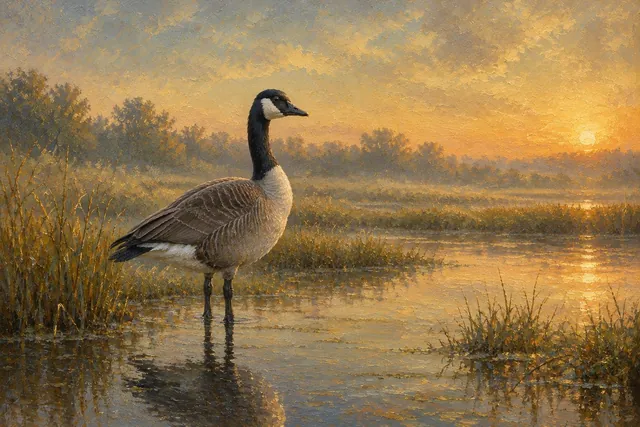 Field notes
Can Geese Eat Mango? Yes - Flesh Only, Never the Pit
Geese can safely eat ripe mango flesh in moderation. The pit contains amygdalin (cyanogenic, like apple seeds and cherry pits) and the skin contains urushiol - both should be removed. Chop into pea-sized pieces; treat as an occasional fruit treat, not a staple.
Read the note →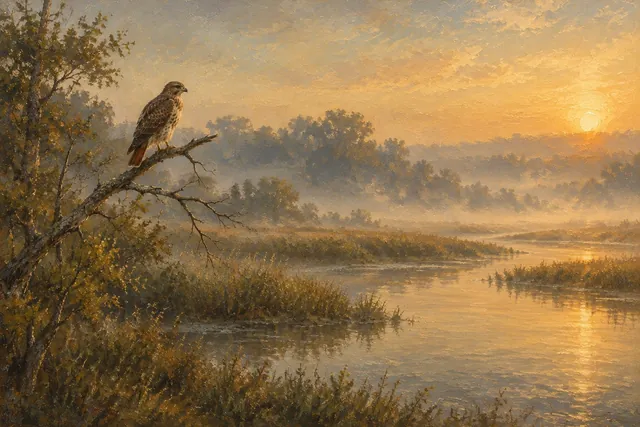 Field notes
Can Hawks Swim? Yes - But Only When They Have To
Hawks can swim and have been documented doing so in the wild and on viral video. They aren't built for it - no webbed feet, less waterproof plumage than waterfowl - but they can wing-row to shore when waterlogged with a catch. Ospreys and Bald Eagles do this regularly; Red-tails and Cooper's only when desperate.
Read the note →