 Field notes
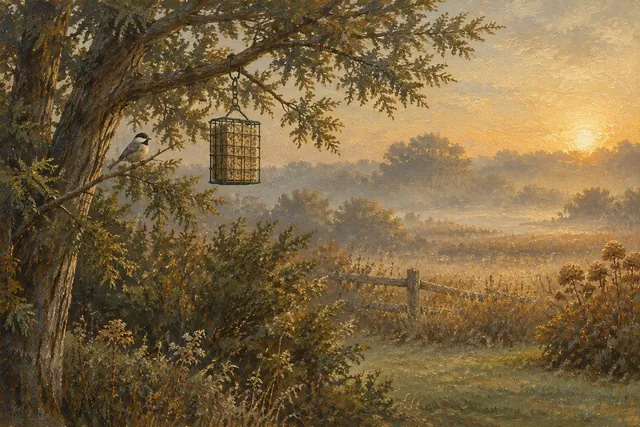
Where to Hang a Suet Feeder for Optimal Bird Watching
If you love watching birds, then you know how important it is to have a suet feeder that will attract them to your backyard. However, choosing the right location for your suet feeder can be tricky....
Read the note →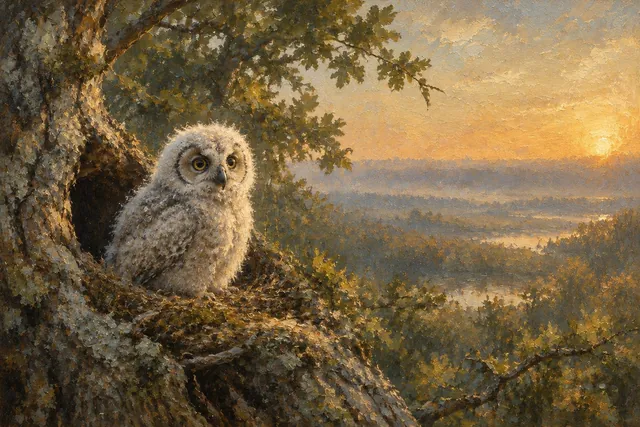 Field notes
Baby Owls: How Owlets Grow Up
Soft, fluffy, and with eyes filled with wonder, baby owls — or owlets — are a heartwarming sight. While they might be born helpless, these young raptors rapidly grow into formidable predators. Ready...
Read the note → Field notes
How Barn Owls Hunt
Barn owls, often cloaked in moonlit hues, are among nature's most proficient nocturnal hunters. Their silent flight, keen senses, and innate precision have made them revered symbols of stealth and...
Read the note →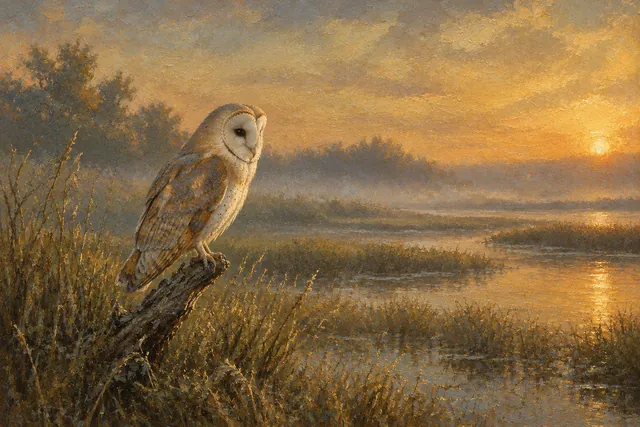 Field notes
Barn Owl Symbolism Across Cultures
IWith their heart-shaped faces, silent flight, and mysterious nocturnal habits, barn owls have long captivated human imagination. Across various cultures and epochs, these ethereal creatures have...
Read the note → Field notes
Barn Owls: Habits and Identification
Barn owls, often referred to as the "ghosts of the night," are mysterious and captivating creatures. Their silent flight, heart-shaped facial discs, and enigmatic calls have enchanted humans for...
Read the note → Field notes
Differences Between Male and Female Owls
Owls, those enigmatic creatures of the night, have always been objects of fascination and curiosity. While their nocturnal activities might be quite mysterious, the distinctions between males and...
Read the note → Field notes
Digestion in Owls: From Swallowed Mouse to Bone Pellet
An owl swallows prey whole and ejects the indigestible parts as a pellet 6-10 hours later. A naturalist's read on the gizzard, proventriculus, and pellet formation.
Read the note → Field notes
Do Owls Blink? How Owl Eyes Work
IOwls, with their vast, enigmatic eyes, often seem to gaze with unbroken intensity. This leads many to wonder if these nocturnal raptors ever blink. Let's unravel the mystery behind the owl's blink...
Read the note →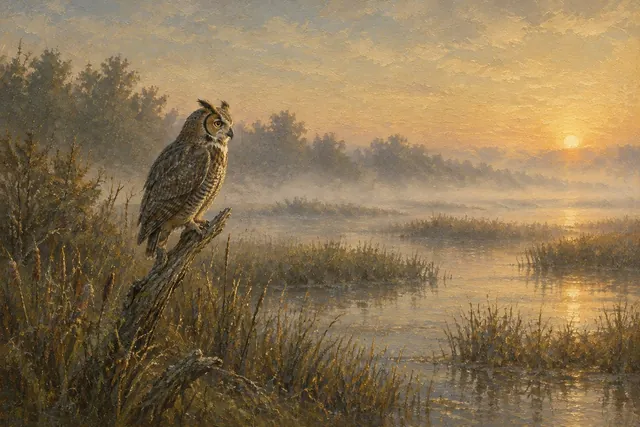 Field notes
Owl Beak: Anatomy and How Owls Use It
Owls are typically recognized for their large, penetrating eyes and their impressive wingspan. However, another anatomical feature plays a pivotal role in their survival: the beak. This specially...
Read the note → Field notes
Owl Behavior: Hunting, Calls, and Courtship
Owls, those silent sentinels of the night, have fascinated us for generations with their distinctive calls, haunting eyes, and impeccable hunting skills. Yet, beyond these commonly known traits lies...
Read the note → Field notes
Owl Feathers: The Secret to Silent Flight
Owls are not just known for their keen eyesight and nocturnal habits; they're also renowned for their incredibly silent flight. This near-soundless movement, a crucial factor in their hunting...
Read the note → Field notes
Owl Feet and Talons: The Anatomy of Silent Killers
A naturalist's read on owl foot anatomy - the zygodactyl grip, the locking tendon, the talon-strength numbers, and why a Great Horned Owl can carry prey heavier than itself.
Read the note →