 Field notes
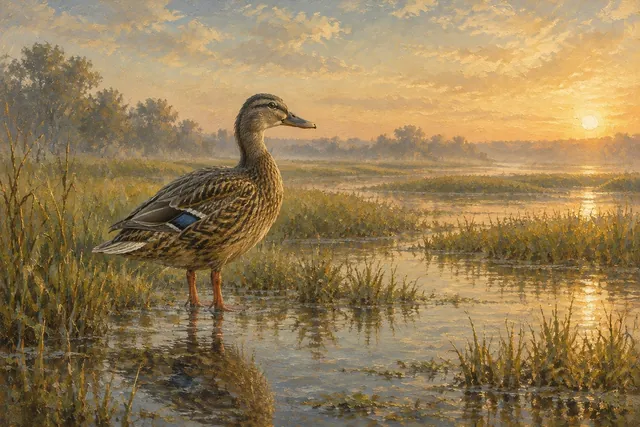
Can Ducks Be Potty Trained? The Honest Answer
No - ducks don't have the anatomy or the cognitive setup for it. A duck poops roughly every 15 minutes and has no sphincter control. What works instead is duck diapers, designated outdoor zones, and a husbandry routine that lives with the mess rather than fighting it.
Read the note →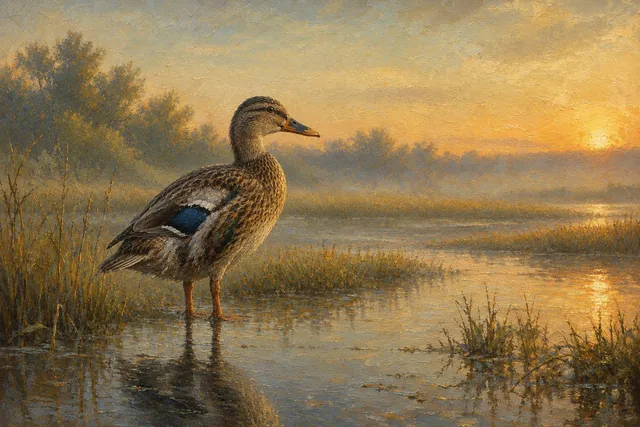 Field notes
Can Ducks Change Gender? Yes, and Here's How
It sounds like myth but it's documented science: hen ducks whose ovary is damaged or stops working can develop secondary male plumage. The bird is still genetically female but visually presents as a drake. Here's the hormonal pathway and why it happens.
Read the note →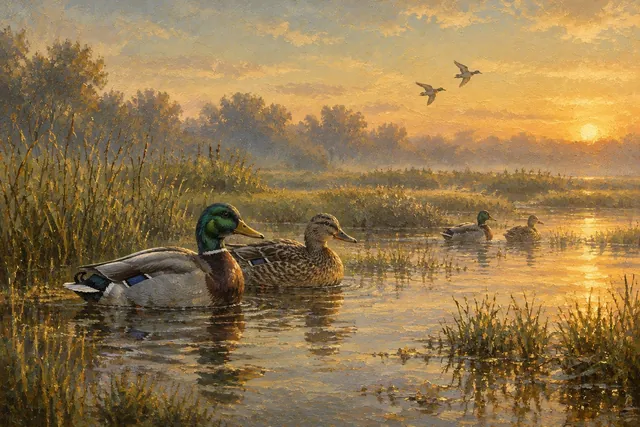 Field notes
Can Ducks Drink Milk? No, and Here's Why
Ducks have no lactase enzyme. Milk passes through them undigested and causes diarrhoea, which in turn causes dehydration. A duck given milk instead of water can decline quickly. Stick to plain fresh water - the only drink ducks should ever get.
Read the note →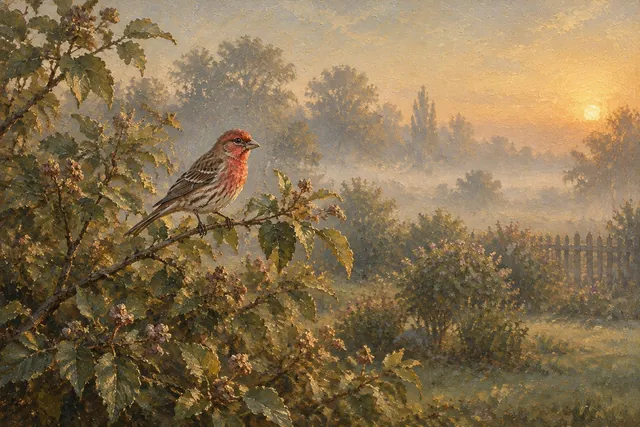 Field notes
Bird Seed Shelf Life: How Long Each Type Actually Lasts
Bird seed isn't shelf-stable forever. Sunflower hearts go rancid in six months, suet in three, and even whole sunflower spoils inside a year if stored badly. Here's the shelf-life table, the smell test, and the storage that doubles the lifespan.
Read the note →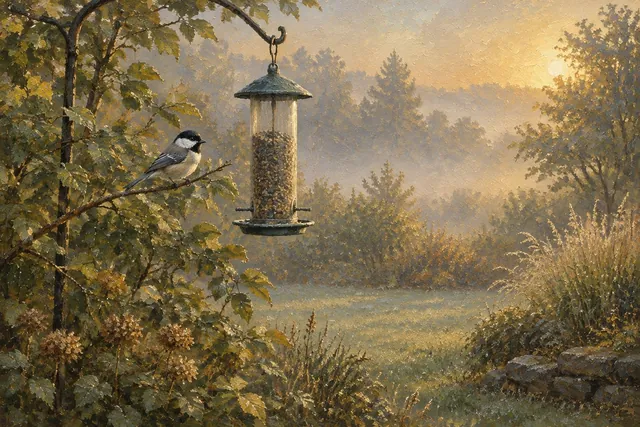 Field notes
Why Birds Aren't Coming to Your Feeder: 8 Common Causes
A new feeder can take six weeks to get its first regulars. But if it's been months and nothing is happening, one of eight things is wrong - and most of them are easy fixes. Here's the diagnostic checklist.
Read the note →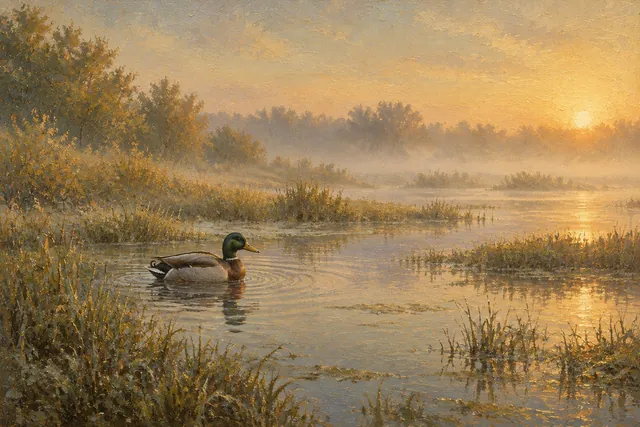 Field notes
Best Food to Feed Ducks and Geese: The Pondside Shortlist
Bread is the wrong answer. Cracked corn, frozen peas, oats, and chopped greens are the four foods that actually feed ducks and geese without harming them. Here's the per-food breakdown and how much to bring.
Read the note →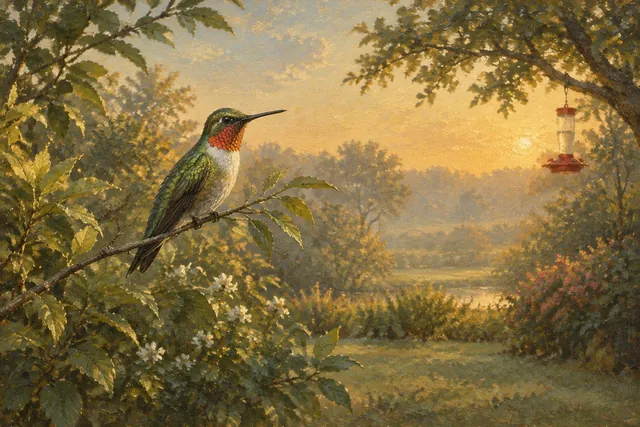 Field notes
Where to Hang a Hummingbird Feeder (Not a Nest)
You can't buy or build a hummingbird nest - they make their own from spider silk and lichen, and they choose the site. What you CAN place is the feeder. Here's where to hang it for maximum traffic and minimum aggression.
Read the note →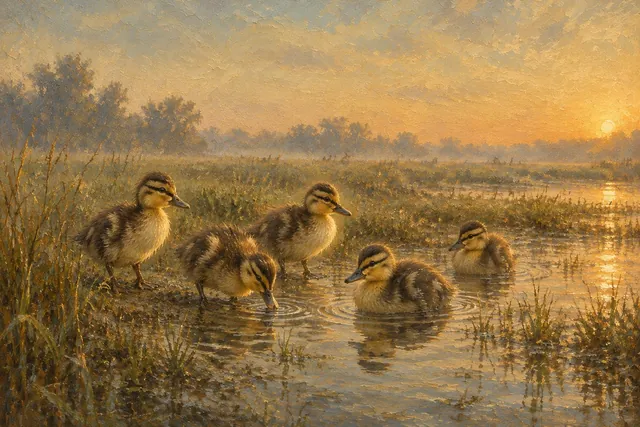 Field notes
Baby Ducks: A Plain Guide to Raising Ducklings Properly
Raising ducklings is mostly about three things: warm dry brooder, niacin in the feed, and patience with the water. The mistakes that kill ducklings are predictable, and so is the timeline. Here's the four-week schedule we use.
Read the note →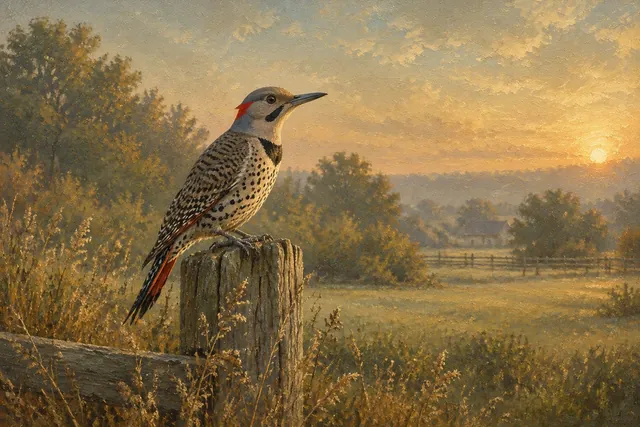 Field notes
How to Attract Northern Flickers to Your Yard
Flickers are the odd woodpecker - they feed on the ground, eat ants by the hundred, and ignore most standard feeders. Here's the suet + lawn + nest-box combination that pulls them in.
Read the note →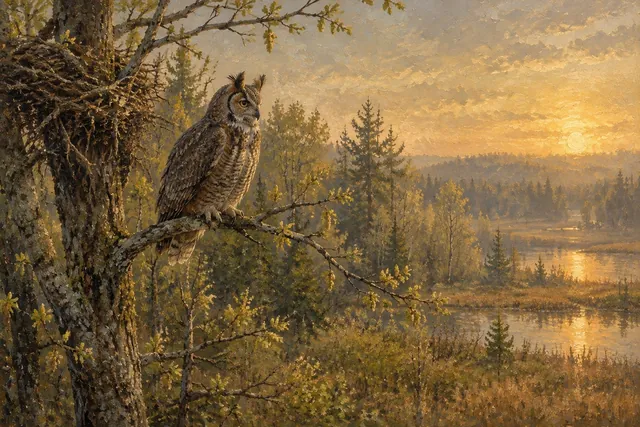 Field notes
Are Owls Dangerous to Humans? The Honest Answer
Owls almost never attack humans, but when they do it's almost always nest defence by Great Horned, Barred or Snowy Owls. Here are the species that account for the documented incidents, the locations where joggers get struck, and how to avoid being on the wrong end of an angry parent.
Read the note →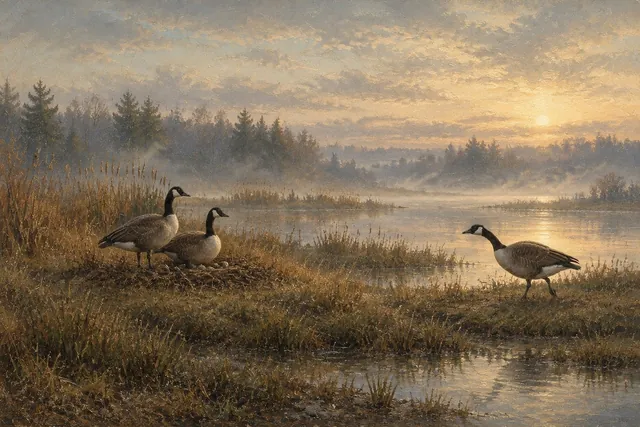 Field notes
Why Do Geese Attack Each Other? A Field Naturalist's Read
A naturalist's guide to goose-on-goose aggression - why Canada geese fight, what the hissing actually means, the four-step attack sequence to read, and why it almost always peaks in March.
Read the note →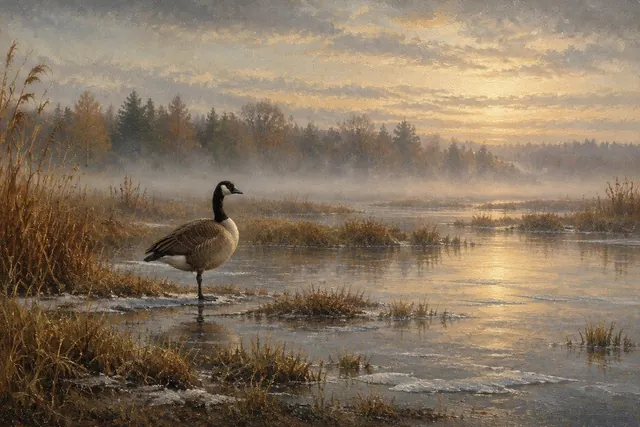 Field notes
Why Do Geese Stand on One Leg? Heat Loss, Mainly
A naturalist's read on why geese (and ducks, flamingos, herons) stand on one leg - the thermoregulation, the muscle anatomy, and why you see it most in winter.
Read the note →