 Field notes
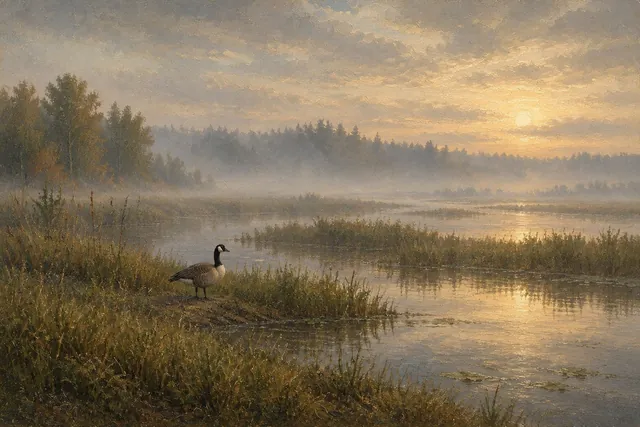
Sounds That Scare Geese: What Works and What Doesn't
Predator distress calls and dog barks scare geese; ultrasonics and most static noises don't. A naturalist's read of the deterrents that hold up in the field.
Read the note →Explore birds, their behaviour, and the places they live.
Back to the journal →Field notesPredator distress calls and dog barks scare geese; ultrasonics and most static noises don't. A naturalist's read of the deterrents that hold up in the field.
Read the note →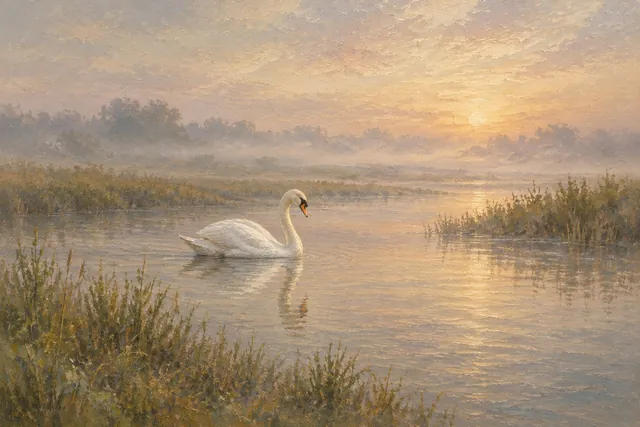 Field notes
From the Greek myth of Leda to Yeats to the silver swans on the Queen's River - a literary naturalist's read on what the swan has actually stood for through history.
Read the note →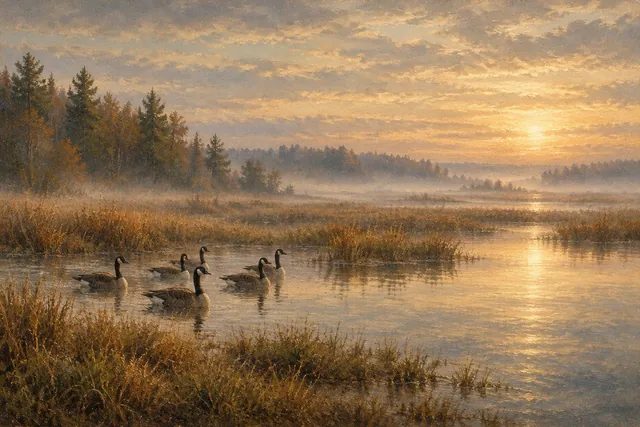 Field notes
A naturalist's read on goose lifespan - the honest numbers for wild Canada geese (10-12 years average, 24+ for an exceptional survivor), the longer life of domestic breeds, and what kills geese in the wild.
Read the note →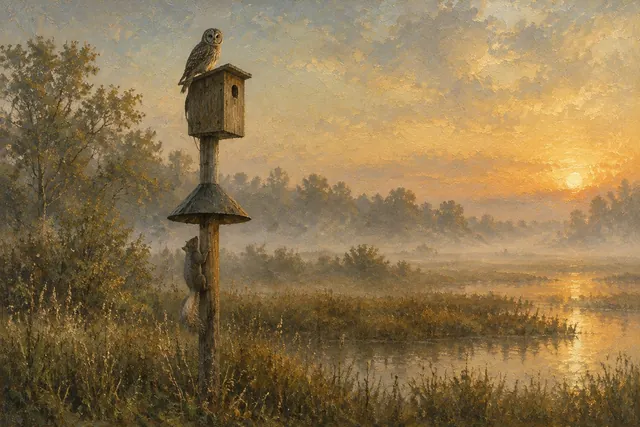 Field notes
The five things that actually keep squirrels out of an owl nest box - pole choice, baffle type, height, entrance hole, and timing. A field guide for backyard owl-watchers, with the products we use.
Read the note →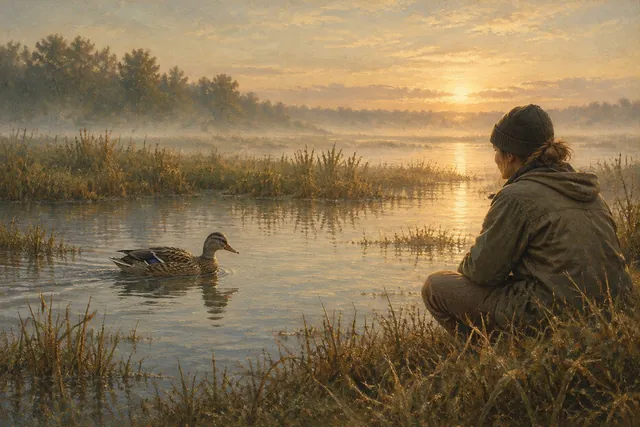 Field notes
Ducks bond with calm, low-postured humans who feed the right food. A naturalist's read on building trust with wild or backyard birds.
Read the note →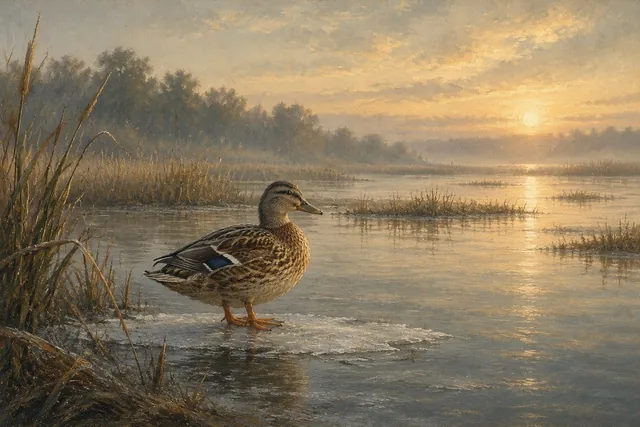 Field notes
A duck's foot is a paddle, a brake, a thermal regulator, and a rudder. A naturalist's read of the anatomy and why it works in cold water.
Read the note →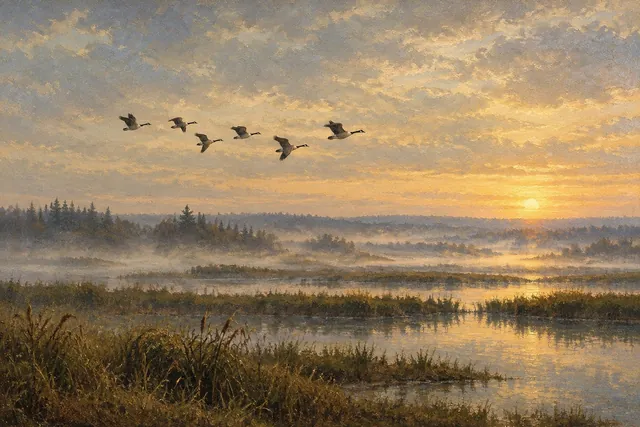 Field notes
A naturalist's answer to a question with a deceptively boring textbook reply - how far can a Canada goose actually fly in 24 hours? The honest range, what the V-formation does, and why flights of 1,500 miles in a day are real.
Read the note →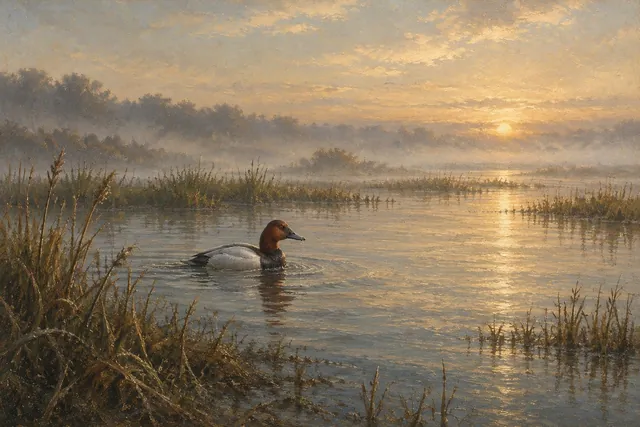 Field notes
Most diving ducks stay under for 10-30 seconds. Long-tailed Ducks hit 60+. A naturalist's read on dive times by species and the limits of the lung-air system.
Read the note →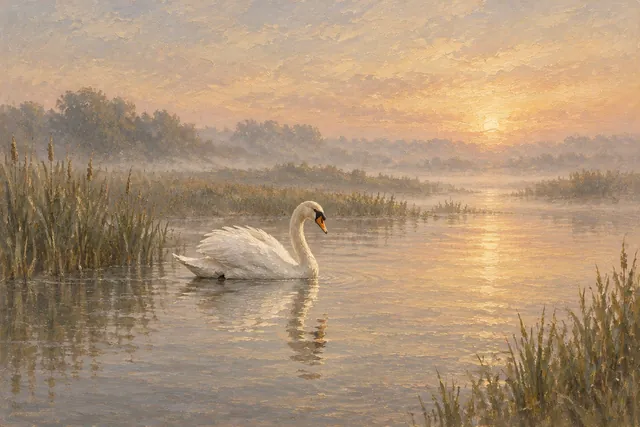 Field notes
A naturalist's guide to the actual sounds of swans - hiss, hum, snort, trumpet, whistle - and which species makes which. Spoiler: the 'mute' swan is anything but.
Read the note →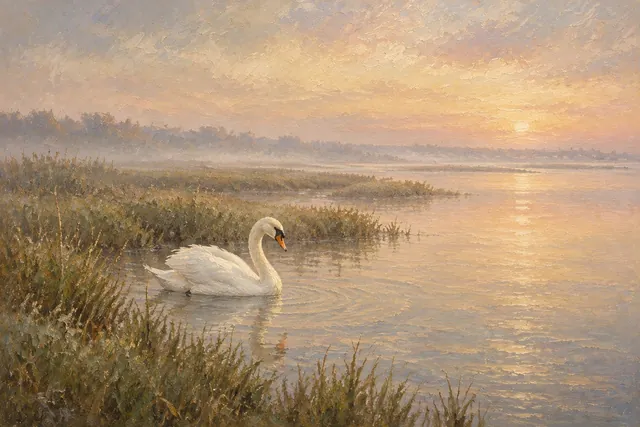 Field notes
Swans can swim in salt water and have salt glands to handle it - but they prefer fresh and stay close to shore. A naturalist's read on coastal swan ecology.
Read the note →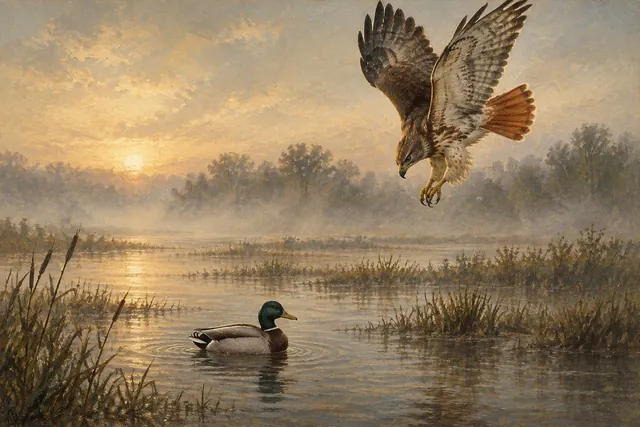 Field notes
The thirteen animals that hunt wild and domestic ducks - ranked by where they hunt (water, air, ground) - and the eight protections that actually work. A field naturalist's guide for pond owners and small-flock keepers.
Read the note →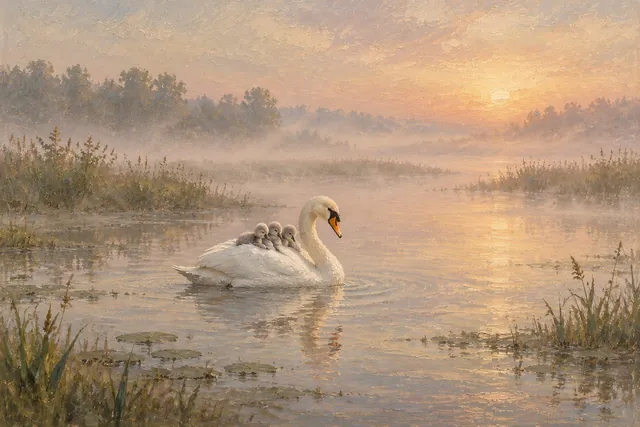 Field notes
Mute Swan cygnets do ride on their parent's back, and there's a specific reason for it. A naturalist's read on why, when, and which swan species does it most.
Read the note →Save your interest in the collection.